

In a world where sushi rolls and ramen bowls reign supreme, finding the perfect Japanese restaurant can feel like a culinary treasure hunt. With so many choices, how do you know which spot will serve up the freshest sashimi or the most comforting bowl of udon? Fear not, food lovers! This guide dives into the art of Japanese restaurant reviews, helping you navigate the delicious maze of flavors and experiences.
Understanding Japanese Cuisine
Japanese cuisine incorporates diverse flavors and techniques, reflecting regional variations across the country. Familiarity with these culinary practices enhances the dining experience at Japanese restaurants.
Regional Delicacies
Regions in Japan present unique dishes. In Hokkaido, fresh seafood like crab and scallops captures attention. The Kansai area excels with its savory okonomiyaki and kudzu cake. In contrast, Kyushu offers hearty tonkotsu ramen, made from a rich pork bone broth. Each region embodies its local ingredients and traditions, showcasing the cultural tapestry of Japan.
Key Ingredients
Key ingredients define Japanese cooking. Rice, a staple, serves as the foundation for many meals. Seafood, particularly sushi-grade fish, is essential for sashimi and sushi dishes. Soy sauce adds depth of flavor, while miso enhances soups and marinades. Seasonal vegetables like daikon and leafy greens contribute freshness. Each element plays a crucial role in creating balanced and delightful meals.
How to Write a Japanese Restaurant Review
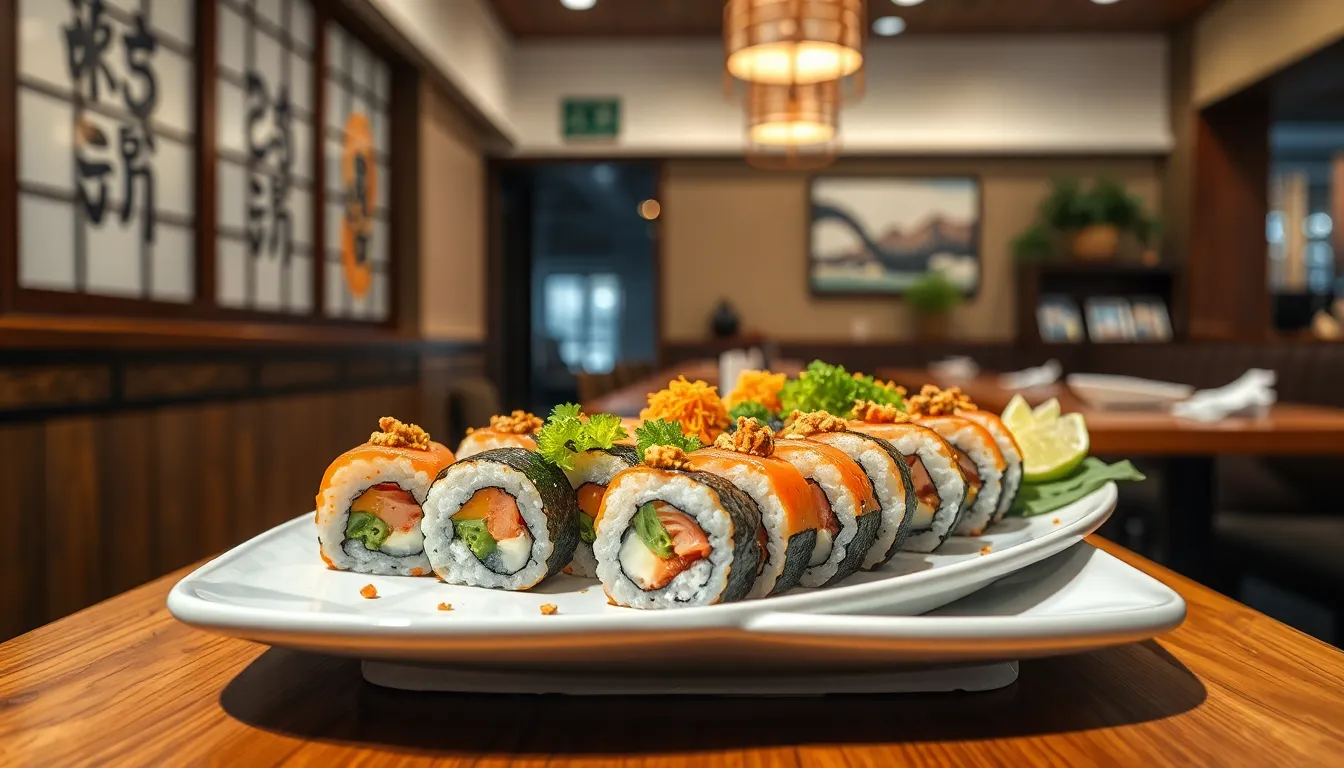
Writing a Japanese restaurant review requires careful attention to details. Observing key elements during the dining experience enhances the quality of the review.
Observations and Tips
Notice the ambiance first. A welcoming atmosphere sets the stage for enjoyment. Observe the service quality, as attentive staff significantly contribute to the overall experience. Tasting multiple dishes allows for a broader evaluation of the menu. Consider the presentation; visually appealing dishes often indicate a chef’s care and effort. Pay attention to flavors and textures to assess authenticity and balance. Most importantly, express personal experiences to give readers a genuine perspective.
Essential Elements to Include
Include dish names in the review. Specific details about sushi rolls or ramen types provide clarity. Highlight standout flavors or unique ingredients to captivate readers. Mention portion sizes to give context to value for money. Describe the service style, whether it’s casual or refined, to guide expectations. Discuss any specials or seasonal dishes, as they often showcase a restaurant’s creativity. Finally, a closing remark about the overall experience rounds off the review and aids decision-making for prospective diners.
Popular Japanese Restaurants to Consider
Explore the vibrant world of Japanese dining by checking out some popular spots. These restaurants offer memorable experiences and unforgettable flavors.
Urban Favorites
Sushi Nakazawa ranks high in the urban dining scene for its exquisite omakase, showcasing the chef’s skill in every bite. Ippudo’s rich tonkotsu ramen garners praise for its creamy broth and perfectly cooked noodles. For sushi enthusiasts, Nobu delivers high-quality sashimi with innovative flavor combinations, setting a standard in high-end Japanese cuisine. Ramen Takumi stands out with unique takes on traditional dishes, blending authenticity with urban flair. Diners flock to these establishments for both their delicious offerings and lively atmospheres, making them must-visit locations.
Hidden Gems
On the quieter side, Miso Ramen House provides a cozy ambiance with its handcrafted miso ramen, earning rave reviews from locals. Tsukiji Fish Market’s casual stalls allow visitors to enjoy ultra-fresh seafood without breaking the bank. Another lesser-known favorite, Katsu-Ya, specializes in crispy katsu dishes, capturing the essence of comfort food. Hidden away in backstreets, these places invite exploration and discovery for adventurous food lovers. Seeking out these hidden gems rewards diners with authentic and unique interpretations of Japanese cuisine.
Trends in Japanese Restaurant Reviews
Japanese restaurant reviews reflect evolving consumer preferences, shaped significantly by social media platforms. Reviews often appear on Instagram and TikTok, showcasing visually appealing dishes and creating a culture of sharing food experiences. Influencers showcase specialty items, leading to broader awareness of various cuisines. Diners rely heavily on these vibrant posts when deciding where to eat. Engagement on social media can drive traffic to lesser-known restaurants, boosting their visibility in a competitive market.
Critical reception of Japanese restaurants incorporates traditional review metrics, such as flavor, authenticity, and presentation, along with contemporary factors like sustainability and ingredient sourcing. Reviewers increasingly focus on regional authenticity and restaurant narratives. They highlight the story behind the dishes, elevating the dining experience. High-quality reviews often compare dishes to notable benchmarks, contributing to informed choices for potential diners. This comprehensive critique enhances restaurant reputations and encourages establishments to improve their offerings.
Navigating the world of Japanese restaurants can be a delightful yet daunting experience. With the right approach to reviews and an understanding of regional specialties, diners can uncover hidden gems and savor authentic flavors. By sharing personal insights and observations, food lovers contribute to a vibrant community that values quality and authenticity.
As trends evolve and social media continues to shape dining choices, the importance of thoughtful reviews becomes even more pronounced. Whether it’s a cozy ramen shop or an upscale sushi bar, each dining experience offers a unique story waiting to be discovered. Embracing this journey not only enhances personal enjoyment but also supports the culinary landscape of Japanese cuisine.


